







Search Results for: Sartre and Beauvoir
Why is Café de Flore in Paris world-famous? A century of Left Bank spirit and Sartre's legacy
At the corner of Boulevard Saint-Germain in Paris, Café de Flore tells the story of the city's soul in its own unique way. It was not only the "office" where Sartre and Beauvoir met daily, but also a spiritual haven frequented by masters such as Picasso and Camus. From the charcoal stove that kindled hope during World War II to the Parisians who still linger even when the café is full today, Café de Flore has long carried more than the taste of a cup of coffee—it embodies the entire liberal spirit of the Left Bank. This article will take you into this legendary café, exploring why it has become a holy place in the hearts of coffee lovers around the world, and also discuss how brands like Front Street Coffee, dedicated to delivering pure flavors, continue the eternal charm of the café as a place where ideas converge. [more…]
Flavor Characteristics of Major Coffee Regions Around the World: A Guide to Tasting Profiles and Mouthfeel from Africa to the Americas
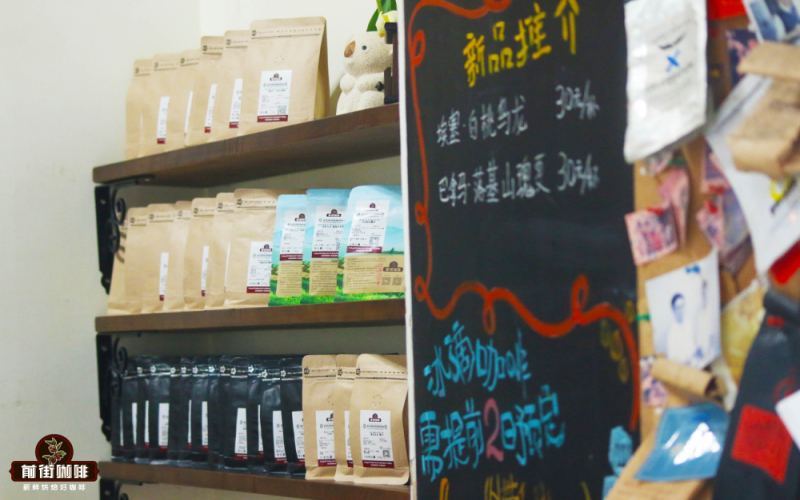
Even different plots within the same estate can produce coffees with distinct flavors, let alone major regions spanning continents. The three great specialty coffee belts—Asia, Africa, and Central & South America—nurture vastly different flavor profile characteristics due to terroir differences: Ethiopia's floral and citrus notes, Indonesia's rich herbal undertones, and Central America's balanced chocolate character, each with its own following. Before deciding to put a coffee on the shelf, Front Street Coffee repeatedly roasts and cups samples from each region, selecting the most representative lots before recommending them to consumers. This article systematically organizes the flavor characteristics and taste descriptions of major coffee-producing countries worldwide, covering Ethiopia and Kenya in Africa; Indonesia and India in Asia; Guatemala, Costa Rica, and Panama in Central America; and Colombia and Brazil in South America, providing coffee lovers with a complete flavor profile reference. [more…]
How to Describe Coffee Flavors? A Comprehensive Analysis of Flavor Characteristics of Major Coffee-Producing Countries and Regions Worldwide
Even coffee from different plots within the same estate can vary in flavor, let alone regions spanning different countries. The three major specialty coffee regions—Asia, Africa, and the Americas—each display distinctly different regional characteristics due to their unique terroir. Ethiopia's floral and citrus notes and the rich, full-bodied character of Asian coffees each have their own following. When recommending single-origin beans to customers, Front Street Coffee matches them based on taste preferences—those who prefer acidity can choose Front Street Kenya Small Tomato or Front Street Yirgacheffe, while those who enjoy a full-bodied cup can try Front Street Jamaica Blue Mountain or Front Street Golden Mandheling. Front Street currently offers more than 200 specialty coffee beans, and every bean has undergone repeated roasting tests and cupping screenings, only being recommended to consumers after confirming it is representative of its region. The following content is a coffee flavor guide compiled by Front Street after multiple rounds of roasting and cupping of common coffee regions around the world. [more…]

A Comprehensive Analysis of the World's Three Major Coffee Producing Regions: Varietal Flavor and Processing Method Differences Across Africa, Latin America, and Asia
The Coffee Belt spans roughly 25 degrees north and south of the equator, giving rise to three major producing regions: Africa, Latin America, and Asia-Pacific, each with its own distinctive varieties, processing methods, and flavors. Front Street Coffee currently offers nearly 50 beans, and this article will go through them one by one, from regional divisions, representative producing countries, and varietal characteristics to processing methods and grading systems. It will guide you through Ethiopia's floral and fruity notes, Kenya's intense acidity, Brazil's nutty richness, Panama's floral Geisha, as well as Indonesia Mandheling's herbal, agarwood-like depth and Yunnan coffee's melon-and-tea character, giving you a comprehensive grasp of the flavor differences among the three major regions and the key points for choosing beans. [more…]
How to Raise Coffee Seedlings and Establish a Plantation? A Systematic Cultivation Guide from Propagation and Planting to Pruning and Fertilization
The flavor foundation of a good cup of coffee is laid the moment the seed touches the soil. This article systematically outlines the complete technical chain of coffee from seedling propagation to plantation management: seed collection and washing in seed propagation, nursery establishment, germination acceleration and transplanting, and seedling-stage care; the key operational points of cutting and grafting in asexual propagation; and then extends to coffee plantation site selection and planning, land clearing and field planting, shade tree configuration, single-stem and multi-stem training and pruning techniques, as well as soil management measures such as weeding and mulching, deep plowing and soil improvement, and irrigation and fertilization. For enthusiasts who wish to gain a deeper understanding of the logic of coffee cultivation and build a systematic awareness from origin to cup, this is a solid technical reference. The variety terminology and operational standards involved in the [more…]
A Complete Analysis of the World's Specialty Coffee Origins: A Guide to Ten Classic Coffee Brands and Flavor Recommendations
The world of coffee is rich and diverse, with different origins, varieties, and processing methods giving coffee beans a myriad of flavor expressions. From the floral and fruity sweetness of Panama Geisha, to the balanced acidity and bitterness of Jamaica Blue Mountain, to the rich and full-bodied intensity of Indonesian Mandheling, each coffee carries the unique imprint of its terroir. This article selects ten classic coffee brands from around the world, covering three major producing regions and multiple processing methods, and includes Front Street Coffee's professional recommendations and brewing flavor descriptions. Whether you prefer bright acidity or a full-bodied mouthfeel, you will find your ideal choice here, embarking on a cross-border journey of coffee flavors. [more…]

A Complete Guide to Latin American Coffee Regions: Flavor Profiles, Processing Methods, and Brewing Guides for Signature Beans
Among the world's three major coffee-producing regions, Latin America stands out for its balanced taste and rich, cocoa- and dark-chocolate-like flavors. This article systematically reviews the coffee-growing backgrounds, main producing areas, processing method characteristics, and flavor profiles of countries such as Brazil, Colombia, Panama, Costa Rica, Honduras, Jamaica, Guatemala, and Nicaragua, and combines them with Front Street Coffee's everyday beans series and brewing methods to help coffee lovers build an overall understanding of Latin American coffee, making it a valuable reference for both everyday purchasing and pour-over practice. [more…]
Coffee Bean Varieties Explained: From Arabica and Robusta to Typica, Bourbon, and Mainstream Variants
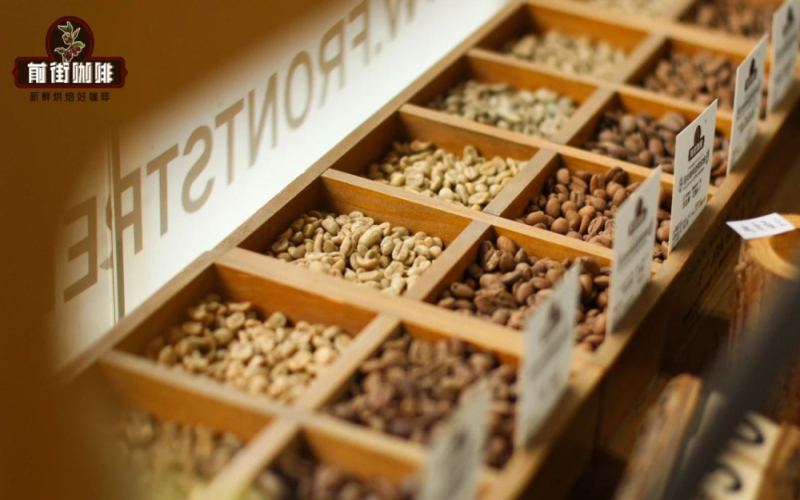
The world of coffee is far richer than one might imagine. From the two main species, Arabica and Robusta, to Typica, Bourbon, and their many genetic mutations and hybrid varieties, every type of coffee bean has its own unique origin story, flavor profile, and suitable growing environment. This article systematically sorts out the origins and characteristics of common coffee varieties, including well-known coffees such as Blue Mountain, Mandheling, Kona, and Geisha, as well as improved varieties like Caturra, Catuai, Pacas, and SL28, helping coffee enthusiasts build a complete framework of variety knowledge and have clearer direction when purchasing and tasting. [more…]
A Complete Guide to Coffee Bean Varieties: A Flavor Map from Typica and Bourbon to Caturra, Maragogype, and Geisha
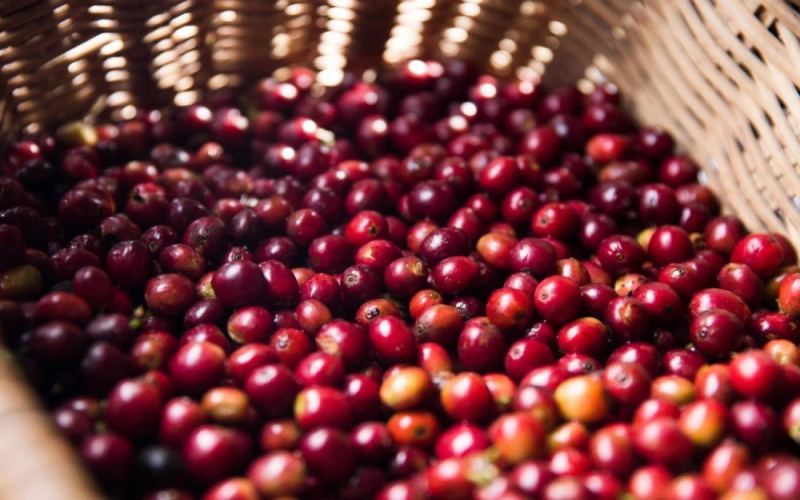
The world of coffee is far richer than we imagine. From the two main commercial species, Arabica and Robusta, to classic derivative varieties such as Typica, Bourbon, Caturra, and Maragogype, and on to the Geisha that has been so highly sought after in recent years, every variety carries a unique story of terroir and genetics. This article systematically sorts out the classification system of coffee varieties, explains in detail the origin, characteristics, and flavor performance of each variety, and includes Front Street Coffee's recommended tasting guide to help coffee lovers find their own cup among the dazzling array of beans on the menu. [more…]

A Complete Analysis of African Coffee-Producing Countries: Varieties, Flavors of Ethiopia and Kenya, and Front Street Recommendations
Africa, as the birthplace of coffee, is home to many well-known producing countries such as Ethiopia and Kenya, and is famous for its rich aroma and captivating fruity acidity. This article systematically reviews the variety distribution, cultivation models, processing methods, and flavor characteristics of African coffee, with a focus on introducing Ethiopia's nine major specialty producing regions, Kenya's six major producing regions, and the coffee characteristics of countries such as Burundi, Rwanda, and Tanzania. At the same time, it retains Front Street Coffee's detailed brewing suggestions and flavor descriptions for beans such as Yirgacheffe, Huakui, Kenyan Little Tomato, Rwandan Gaseke, and Tanzanian Kilimanjaro, providing a comprehensive reference for coffee enthusiasts. [more…]

A Complete Analysis of Coffee Variety Classification Names | What Are the Ancient Arabica Varieties Like Typica and Bourbon?
The flavor, quality, and even the difficulty of cultivation of coffee are all closely tied to the variety of the coffee bean. This article systematically sorts out the three major native species of coffee—Arabica, Robusta, and Liberica—and focuses on introducing Typica, Bourbon, and their many derived varieties, including their origins, characteristics, and representative producing regions. From their origins in Africa to their global spread, from the ancient Typica to the Geisha that has swept the specialty coffee world, you will see how varieties shape the personality of a cup of coffee. The article also intersperses information on the producing regions, estates, altitudes, and processing methods of several corresponding Front Street Coffee products, making it easy for enthusiasts to trace them one by one and understand the connection between varieties and flavors in the cup. [more…]

A Complete Guide to Arabica Coffee Varieties: Comparing Major Origins and Flavors of Typica, Bourbon, Caturra, and More
In the world of specialty coffee, Arabica beans are the absolute protagonist. But did you know that under this species, there are many subdivisions such as Typica, Bourbon, Caturra, Catuai, and Geisha? Each has its own origin story, flavor characteristics, and suitable growing environment. Front Street Coffee has long been deeply involved in various producing regions, building a variety flavor database through cupping and roasting practice, hoping to use an easy-to-understand way to introduce you to the rich landscape of the Arabica family. This article will start with the legend of coffee's origin, compare the pros and cons of Arabica and Robusta, then explain in detail representative varieties such as Typica, Bourbon, Caturra, Catuai, Geisha, Kona, and SL28/SL34 one by one, and include Front Street Coffee's roasting curves and brewing suggestions, so you can understand the variety lineage and flavor differences of Arabica coffee all at once. [more…]
There are over five hundred species of coffee trees worldwide, with subdivided varieties numbering as many as six thousand. Faced with such a dazzling array of coffee beans, many enthusiasts often recognize only the two major names, Arabica and Robusta, while having only a vague understanding of the family lineage behind them. This article systematically sorts out the complete脉络 of coffee varieties: first introducing the four major coffee tree species and their commercial value, then explaining in detail the two main lines under Arabica—Typica and Bourbon—as well as the common variants derived from them such as Mandheling, Blue Mountain, Kona, Maragogype, Pacamara, Caturra, Catuai, and Geisha, and finally supplementing with interspecific hybrid varieties of Arabica and Robusta. Whether you are a beginner just starting out or a seasoned player looking to refine your cupping knowledge, this lineage chart can help you build a clear framework for understanding coffee varieties. [more…]
A Complete Analysis of Latin American Coffee Regions: Flavor Profiles and Processing Methods of Coffee Beans from Eight Countries Including Brazil and Colombia
Latin America is one of the most important coffee-producing regions in the world. From Brazil to Colombia, from Panama to Guatemala, each country shapes a distinctively different coffee flavor profile through its unique geography and processing methods. This article systematically reviews the producing regions, bean varieties, processing methods, and cupping performance of eight major Latin American coffee-producing countries, and combines Front Street Coffee's daily drinking bean series with Front Street Coffee's brewing methods to help coffee lovers fully understand the balance and cocoa-chocolate notes of Latin American coffee. Whether you are a beginner just starting out or a seasoned enthusiast, you can find the cup that suits you. [more…]
A Complete Guide to Coffee Bean Grades and Variety Tiers: Where Do Arabica and Canephora Stand?
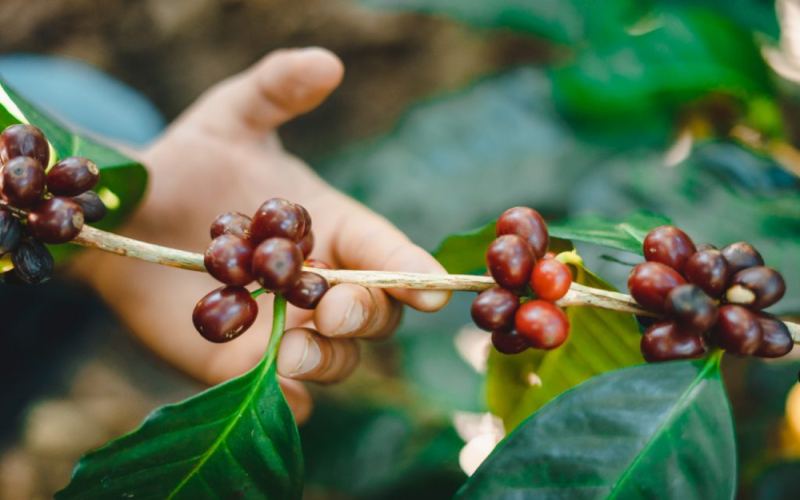
For friends who are just getting into coffee, the difference between Arabica and Canephora (Robusta), and the quality tier each occupies, are often the first questions they encounter. Starting from plant taxonomy, this article sorts out the output share, disease resistance, and flavor characteristics of the world's major cultivated coffee varieties, and introduces one by one the varietal composition and flavor trends of representative Arabica-producing regions such as Brazil, Colombia, Ethiopia, Kenya, Panama, Guatemala, Costa Rica, Jamaica, and Indonesia. The article also includes the specific parameters and flavor descriptions of Front Street Coffee's everyday beans from various regions, helping readers build a complete cognitive framework from variety to producing region. [more…]
Complete Guide to Coffee Varieties and Flavor Comparison: From Typica and Bourbon to Geisha
The world of coffee varieties is intricate and diverse, with over 500 species of coffee trees globally and as many as 6,000 varieties. However, those with real commercial value and widespread cultivation are mainly concentrated in the two major systems: Arabica and Robusta. Front Street Coffee has systematically sorted out the origins, characteristics, and flavor profiles of major varieties and their mutations, from Typica and Bourbon to Geisha, while also introducing the cupping characteristics and brewing parameters of classic regional coffees such as Mandheling, Blue Mountain, and Kona. Through a combination of text and images, this article helps coffee enthusiasts build a clear understanding of the relationship between coffee varieties and taste. Whether you are a novice just starting out or a seasoned enthusiast, you will find practical reference information here. [more…]
A Complete Analysis of Arabica Coffee Varieties: Typica, Bourbon, and Geisha—Three Classic Lineages and Flavor Comparison
The flavor and quality of coffee are largely determined by variety. From Ethiopian heirloom varieties to Geisha, which has swept the specialty coffee world, the Arabica species has given rise to numerous varieties such as Typica, Bourbon, Caturra, Catuai, and Pacas, each with its own unique cupping performance and cultivation characteristics. This article systematically sorts out the classification framework of coffee's three main native species, traces the spread history of Typica and Bourbon, explains in detail the flavor differences of the Bourbon family and its derived varieties, and introduces one by one the rise of Geisha. The article also compiles information on a number of representative products from Front Street Coffee corresponding to these varieties, helping coffee enthusiasts build a clear framework for understanding coffee varieties. [more…]
A Complete Guide to Latin American Coffee Regions: Varieties, Processing Methods, and Flavor Profiles from Brazil to Guatemala
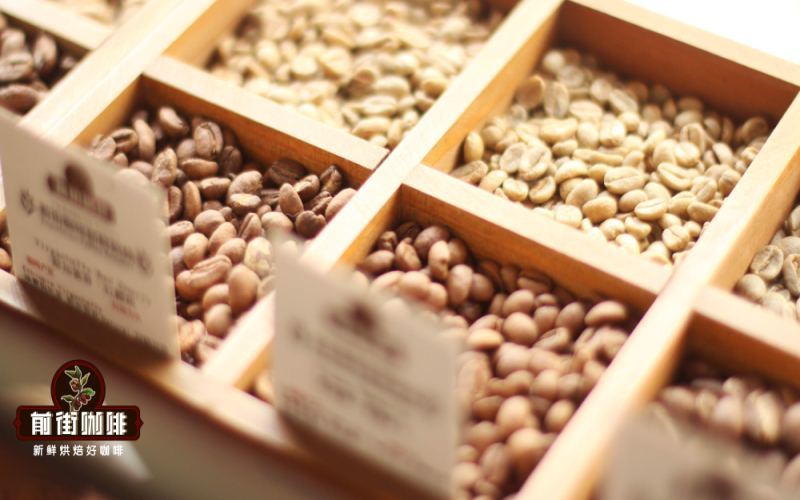
Among the world's three major coffee-growing belts, the Latin American region stands out with its distinctive chocolatey and nutty rich tones. From Brazil's nutty sweetness and Colombia's balanced acidity, to Panama Geisha's floral legend, Costa Rica's honey-processing sweet experiments, and on to Jamaica Blue Mountain's classic balance and Guatemala's volcanic flavors, each producing country relies on unique geographical conditions and processing techniques to create highly recognizable cup profiles. This article systematically reviews the coffee varieties, mainstream processing methods, producing region distribution, and grading systems of eight Latin American countries, and, combined with Front Street Coffee's brewing demonstrations, fully presents this region's flavor landscape and bean selection logic. [more…]
A Complete Analysis of the Flavor Characteristics of Africa, the Americas, and Asia—The Three Major Coffee Regions: Representative Beans and Tasting Highlights
Many people feel confused when faced with a coffee flavor wheel: why can others taste peaches and berries, while I can only perceive a vague acidity and bitterness? In fact, there are no standard answers in tasting itself. Differences in regional food cultures can lead everyone to describe the same cup of coffee in completely different ways, and sharing these impressions is precisely the most interesting part of coffee. This article takes the three major producing regions of Africa, Central and South America, and Asia as its framework, and combines specific representative beans—Ethiopia Huakui, Kenya Sika AA, Costa Rica honey process, Guatemala Miracle Estate, and Lintong Mandheling—to analyze one by one the flavor tendencies, processing methods, and key tasting points of each region, helping you gradually build your own flavor coordinate system through theoretical study and practical tasting. [more…]

A Complete Guide to African Coffee-Producing Countries: From Ethiopia to Tanzania, a Specialty Flavor and Origin Guide
Africa, as the continent of coffee's origin, nurtures coffee beans with highly distinctive flavors thanks to its unique climate and terrain. From Ethiopia's Yirgacheffe to Kenya's AA grade, and from Yemen's Mocha to Tanzania's Kilimanjaro, each producing region displays alluring fruit acidity and regional character. This article systematically reviews the cultivation history, varieties, processing methods, and flavor characteristics of Africa's major coffee-producing countries, and includes information on various cooperatives and representative bean lots, making it suitable for coffee enthusiasts who want an in-depth understanding of the full picture of African specialty coffee. [more…]